
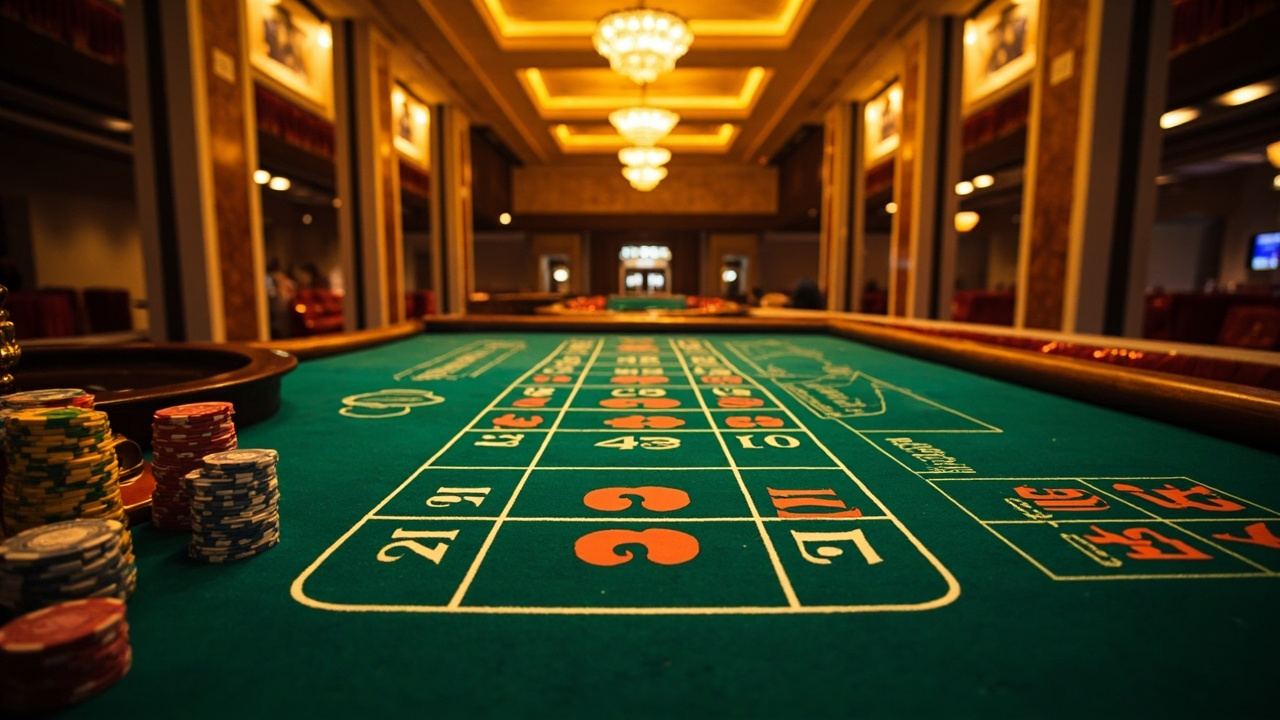
Walking into a casino floor or opening a lobby at 11pm on a Tuesday, the sheer volume of choices can stall a player faster than a bad run of cards. casino decision fatigue is the quiet drag that sets in when options outnumber attention, and it matters more than most operators admit.
For anyone who has spent an arvo comparing two-up mats or scanning a live dealer lobby, the feeling is familiar. The brain starts picking defaults, rushing bets, or walking away entirely. That is the point where a well-organised lobby stops being a catalogue and starts being a service.
In my work across treasury and investor operations, I have seen the same pattern in capital allocation: too many unvetted options, and decision quality collapses. A casino lobby works the same way. If the mix is cluttered, the search is slow, and the providers are not clearly labelled, players burn mental cash before the first spin.
Register now for heapsowins sign up when the lobby structure is clear enough to cut through that noise without forcing a choice.
Game Catalog and Lobby Organisation
A lobby that fights decision fatigue puts structure ahead of volume. The mix should be readable at a glance: slots, table games, and live content grouped by provider and style, not dumped into a single endless feed. Search needs to surface what is actually there, not bury it under promotional tags.
Players who care about game mix tend to notice three things first. The slot range should lean on established providers with consistent return mechanics, not a scatter of unlabelled titles. Table and live content should be easy to find without scrolling past a wall of promotions. Discovery should feel like a filtered list, not a scavenger hunt.
I have sat with operators who ran live tables from three separate providers on one page, all with similar names and no clear sorting. Players clicked the wrong table, lost time re-finding the right one, and left with a sour impression. That is decision fatigue doing real damage, and it is avoidable with better lobby organisation.

Broadsheets and local event listings show how a city can make choices legible without dumbing them down. A casino lobby can take the same approach: clear headings, sensible filters, and a game mix that does not ask players to do the sorting work themselves.
That same philosophy of curated clarity can transform a gaming floor from a maze of flashing screens into a space where visitors intuitively find what suits them. By grouping tables by stakes, highlighting table limits upfront, and using plain-language signage to explain rules, operators remove the guesswork that often frustrates newcomers. As any regular reader of local arts coverage knows, thoughtful design does not simplify the experience; it simply makes the options easier to navigate.
Player-Fit Scenarios
The Overthinker at the Table
Some players want to weigh every option before committing. They read rules, check providers, and compare table limits. For them, a lobby that makes discovery easy is the difference between a focused session and a long wander through menus. When the lobby is organised, the overthinker can settle on a game without second-guessing the layout.
The Busy Player After Work
Others come in straight from a long day and want a fast path to a game they recognise. They do not want to parse a cluttered lobby at 9pm. A clean search bar, a sensible default mix, and a short list of popular titles help this player start without friction. Decision fatigue hits this group hardest when the lobby forces too many micro-choices before the first bet.
Regional Distance and the Online Lobby
For players in regional South Australia, the distance to a physical venue can mean the online lobby is the main point of contact. A slow connection or a poorly sorted lobby turns that convenience into frustration. When internet service is patchy, a lobby that loads cleanly and keeps the game mix readable is not a luxury; it is the whole experience.
Two-Up, Tradition, and the Weight of Small Choices
Old copper pennies are still favoured for their weight and spin in two-up, and that detail matters more than it sounds. A game with a tactile, familiar feel reduces the mental load of choosing between endless digital variants. When a lobby respects that kind of tradition, it gives players a steadier entry point instead of asking them to decode a wall of new titles.
There is a similar lesson in how people handle losses at a table. Pinching a bet by removing chips after a loss is likewise detected, and the same discipline applies online: a player who keeps their choices simple is less likely to drift into reactive betting. A lobby that makes the right game easy to find supports that discipline rather than undermining it.
Regulation, Governance, and the Limits of Choice
Decision fatigue is not just a player problem; it is a governance problem. Operators who understand it design lobbies that reduce unnecessary friction, not multiply it. That means clear provider labels, sensible game grouping, and bonus mechanics that do not hide terms behind a maze of clicks.
Buy-a-bonus features are restricted or banned in several jurisdictions, and that constraint is a useful reminder: more options are not always better options. A lobby that leans on clarity rather than promotional clutter tends to serve players better over time. The same thinking applies to payments and currencies. When a player can see what is available without digging, the session starts on steadier ground.
From my background in cross-border expansion and regulation, I have seen how a cluttered offer can mask weak governance. A clean lobby is not a cosmetic choice; it is a signal that the operator has thought through the player journey, not just the acquisition funnel. That discipline matters whether the player is in Adelaide or logging in from a regional town after a long week. Olgr
Verdict
Casino decision fatigue is real, and it is mostly a lobby problem. A game mix that is easy to read, a search function that works, and a layout that respects the player’s time will do more for retention than another wave of unlabelled titles. Operators who treat the lobby as a service, not a storage room, give players a better chance to play with focus instead of fatigue. register now for heapsowins sign up